For aspiring Florida operators
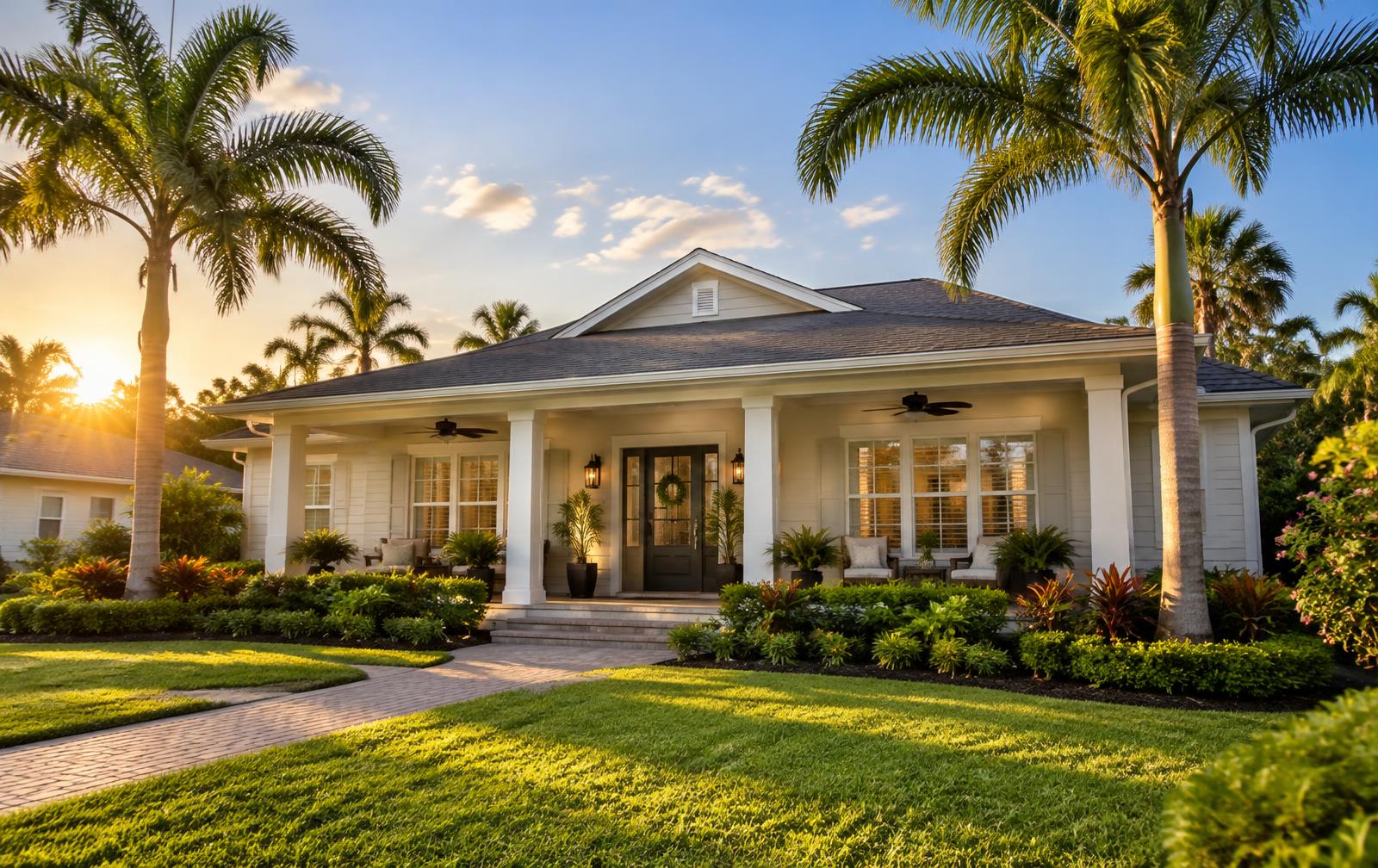
Your home may already contain the beginning of a residential business.
I'm Eddrena Thornton — a licensed COTA/L, a Florida Adult Family Care Home provider, and an operator of independent living homes. Before you invest, get the honest version of what opening a residential home in Florida really takes.
- • Six Florida pathways compared side by side
- • Financial and property checkpoints
- • A break-even example and a model self-assessment
Get the free guide
Before You Decide to Open a Residential Home — Florida Edition
Understand the models, the residents, the rules, and the business before you invest.
Your path
Four steps, in order
People call me every week asking how to get started. This is the path I walk them through — learn first, plan second, then look closely at the actual house by video.
Start with the free guide
Before You Decide to Open a Residential Home — Florida Edition. Six Florida pathways compared honestly, plus financial and property checkpoints.
Get the free guideGet ready with the readiness guide
Before You Open: The Florida Adult Family Care Home Readiness Guide. Worksheets, break-even math, a readiness scorecard and a 30-day plan.
See what's insideShow your home on video
Home Potential Assessment (video walkthrough). Show your property on camera and learn what it could realistically support — beds, income, and the changes it would take.
Book a walkthroughBook a video consultation
Choose a 30- or 60-minute Getting Started Consultation by video (Google Meet — join from your phone or computer, no account needed).
Book a consultationRenting rooms instead?
The Florida Independent Living Home Guide
If your plan is renting rooms to adults on a fixed income — not licensed care — this 18-page guide covers pricing, agreements, care boundaries and Florida notice rules. $47.
See the independent living guide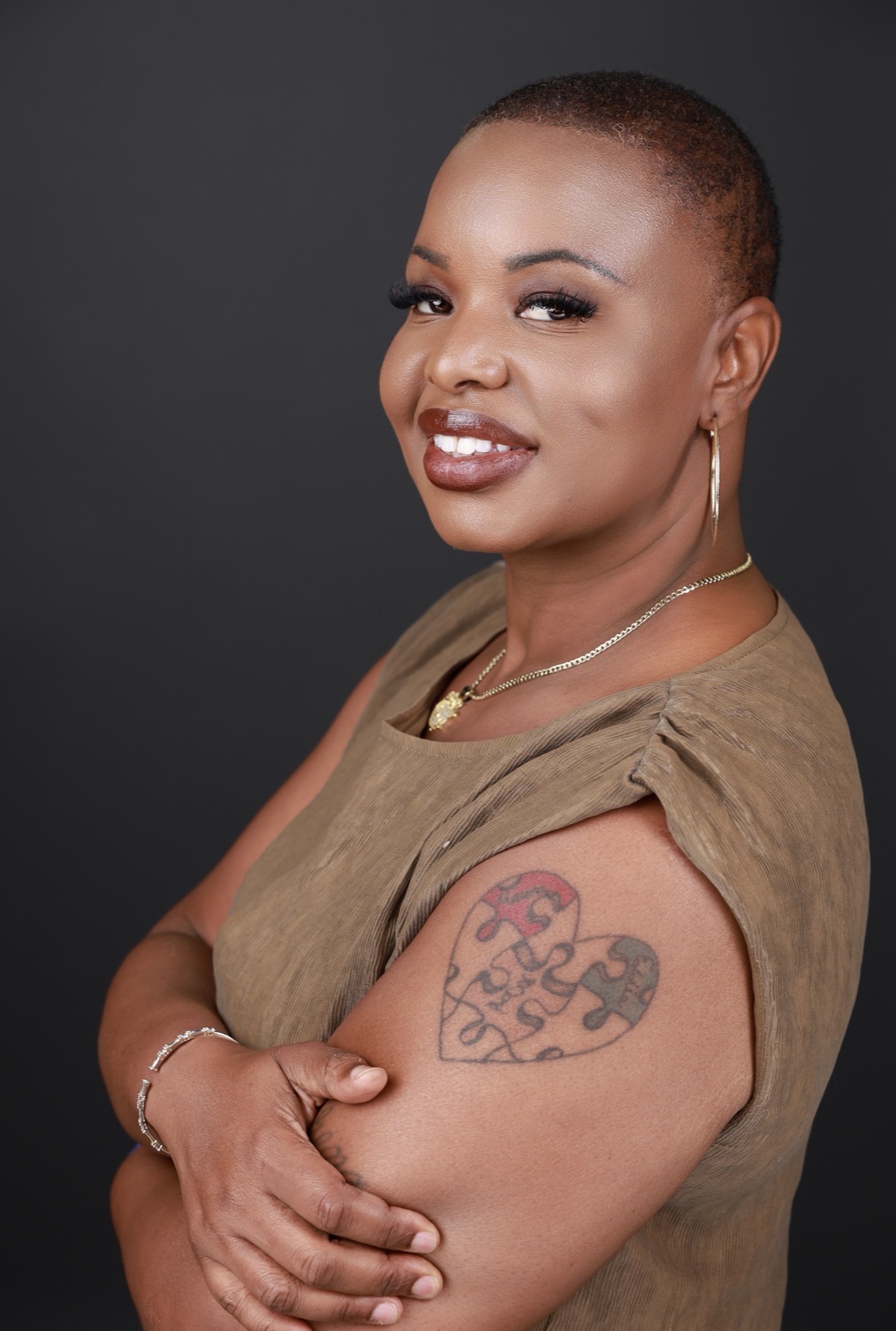
About Eddrena
Six years in, and still in the house
I'm a licensed Certified Occupational Therapy Assistant (COTA/L), a Florida Adult Family Care Home provider, and an operator of independent living homes. I've been in this business six years.
I've lived in and operated several types of residential homes across different states, serving people with disabilities and low-income residents. I know what the brochures leave out — the relief coverage, the vacancies, the inspections, the nights nobody plans for.
People call me regularly asking how to get started. Rather than repeat the same conversation one call at a time, I put what I know into guides, video consultations, and Home Potential Assessments so you can decide with your eyes open.
Questions people ask me first
Is this for families looking for placement?
No. Everything here is for people who want to open and operate a residential home of their own. If you're looking for care for a loved one, this isn't the right fit.
Do I need a nursing or medical background?
Not necessarily. Different models serve different residents and carry different requirements. The free guide walks through six Florida pathways so you can see where you fit before you spend money.
Can I really use the home I already live in?
Sometimes yes, sometimes no. It depends on bedrooms, bathrooms, exits, accessibility, zoning, your HOA or lease, and whether you can live on site. That's exactly what the Home Potential Assessment looks at.
How many beds does it take to make money?
It depends on your fixed costs and what each occupied bed pays. The readiness guide includes a break-even worksheet with a fully worked example so you can run your own numbers.
Do you tell me whether I'm licensed or approved?
No. I share operational and business experience. Licensing, zoning and code answers come from AHCA and your local authorities, and the guides show you exactly who to ask.
What if I'm still not sure which model I want?
That's the most common place to start. Choose "Not sure yet" on the form and begin with the free guide's model self-assessment.
Educational information, not legal, licensing, clinical, financial, tax, insurance, or real-estate advice. Verify requirements with AHCA and local authorities.